


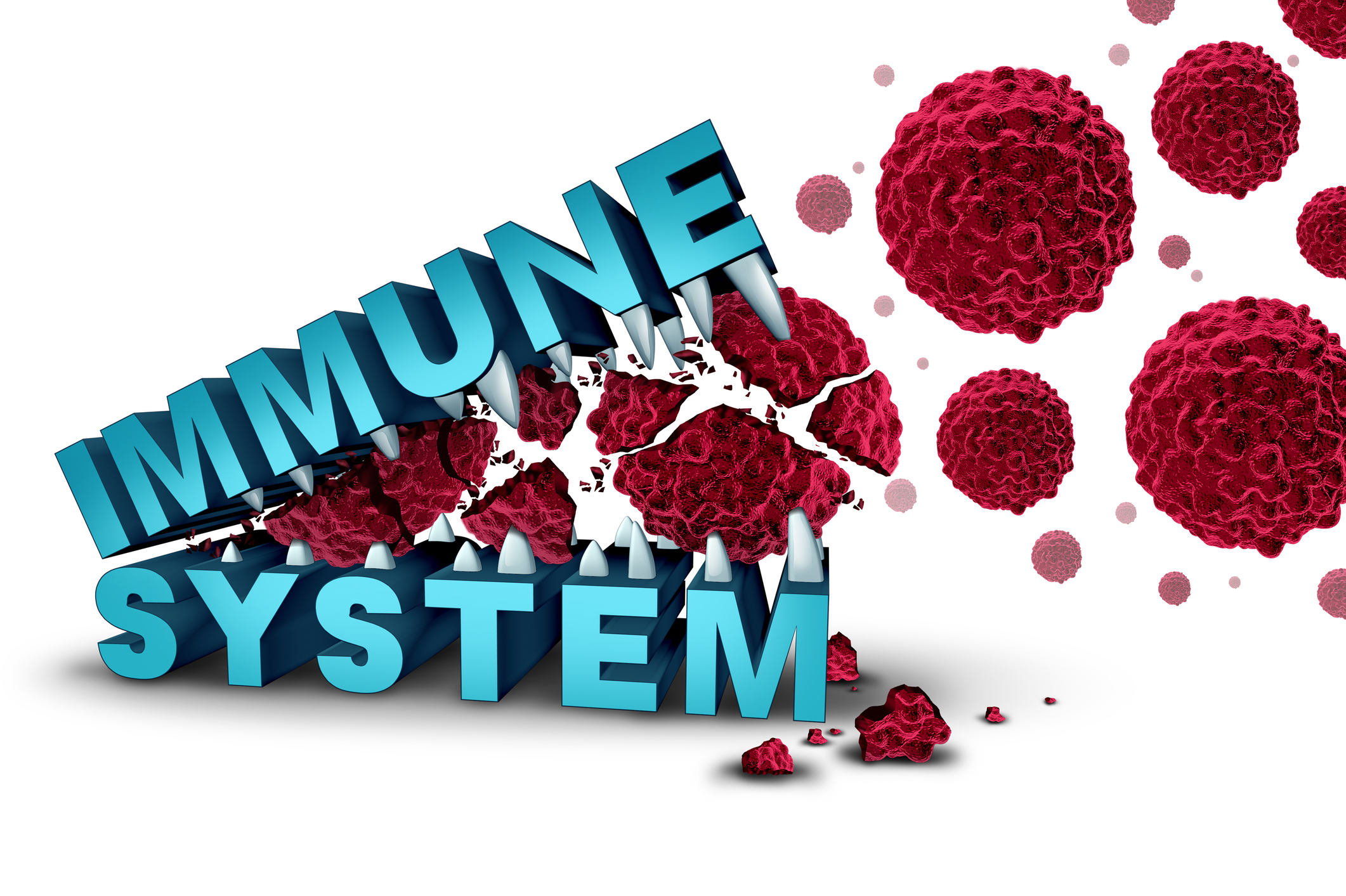


“Alert! Alert! Foreign invader detected! Recruit additional support! Destroy the target!”
This could be the radio chatter of a battle scene in the latest blockbuster action film, or it could also be what our immune system would sound like if it could talk. As our body’s form of defense, the immune system helps protect us from various substances that might cause harm.
Even before we are born, we are exposed to millions of different bacteria, viruses and other microscopic substances—called pathogens—that can potentially enter our body and make us sick. Physical barriers such as the skin and the mucus that lines our body’s openings serve as a first-line of defense against pathogens. But the real stars of the immune system are the cells that identify harmful substances, recruit additional cells to help fight infection and destroy the negative activity of a pathogen.
Structures of the Immune System
Organs and body systems produce different immune cell types:
- Our bone marrow produces white blood cells. Some white blood cells travel to the thymus, a gland located between the heart and breastbone, where they mature.
- The lymphatic system is a series of tubes that carry a fluid called lymph between our cells. Lymph nodes are immune system organs filled with white blood cells that are located where these lymphatic tubes connect. When bacteria are present in the lymph, the lymph nodes help fight them. When your lymph nodes fight infection, they can swell, as you may have felt on the sides of your neck when you have a sore throat.
- The spleen—the largest organ of the lymphatic system—is where white blood cells communicate with each other about how to destroy specific pathogens.
How the Immune System Works
The white blood cells travel from the bone marrow through blood and lymph to deal with foreign invaders in a few ways. One type of white blood cell “eats” pathogens to get rid of them. These cells, called macrophages, secrete chemicals that tell other white blood cells about the threat. This alert system improves our immunity, particularly if the same kind of pathogen invades again. This process—called acquired immunity—is the foundation of how vaccines work to prevent dangerous diseases.
Unfortunately, the immune system doesn’t always work as it should. Cancers such as leukemia and lymphoma affect immune function and require serious treatment. In autoimmune diseases—such as rheumatoid arthritis, lupus, inflammatory bowel disease and multiple sclerosis—our immune system mistakes healthy cells for invaders and therefore starts to destroy them. Generally less serious, but also more common, are allergies, which cause the immune system to overreact to something that is not actually a pathogen. And if our immune system cannot react well enough—called immunodeficiency—we have an increased risk for infection. This is common in people with HIV or AIDS or those recovering from chemotherapy.
The battle to keep our body healthy is constantly raging, whether we realize it or not. Getting good sleep and nutrition and lowering our stress levels help give our immune system the best chance to win the fight.


Anne R. Crecelius, PhD, (1985–2023), was a professor in the Department of Health and Sport Science at the University of Dayton in Dayton, Ohio. She was a longtime APS member, and a tireless leader, mentor, researcher and educator.