


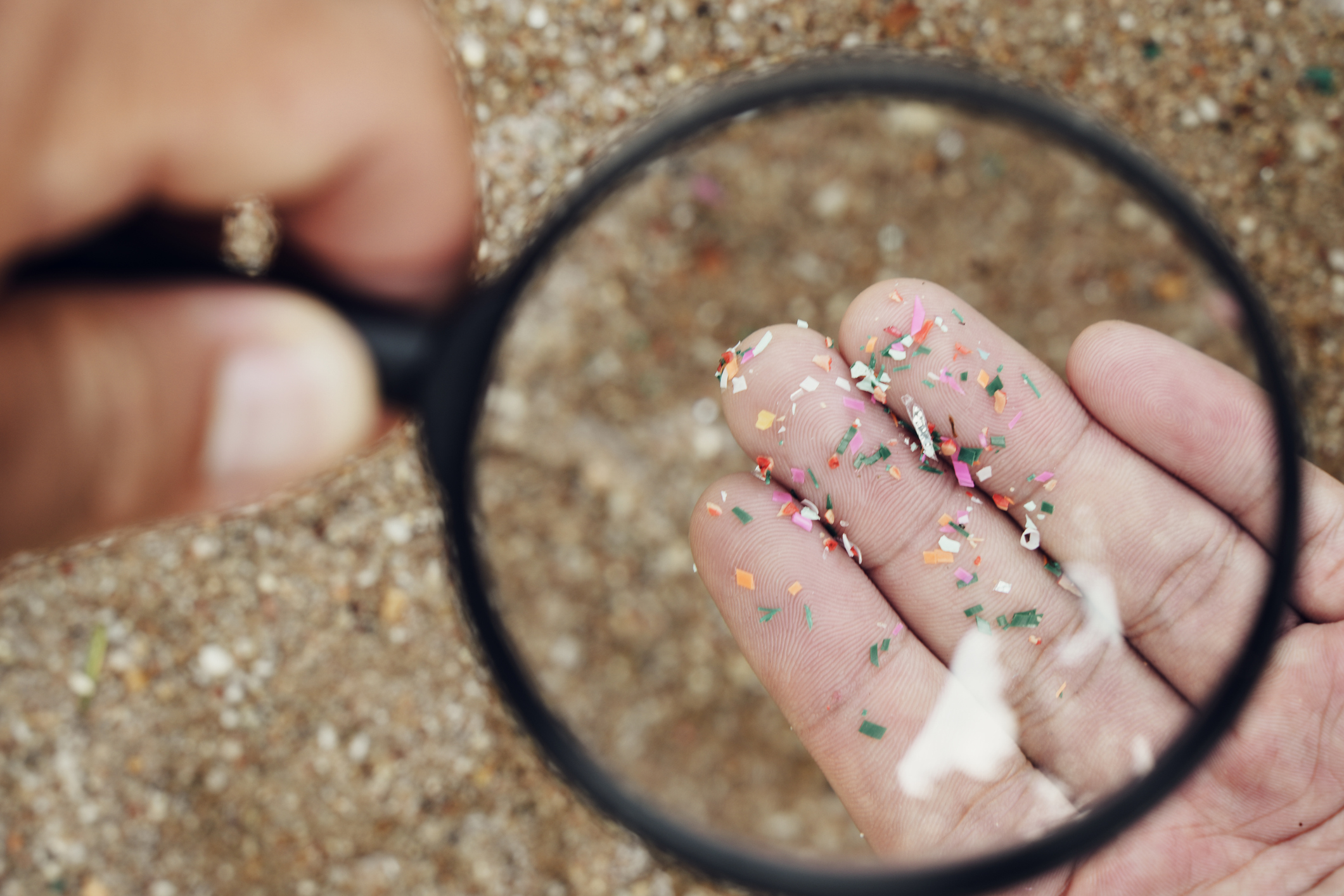

If you’re like me, you’ve probably been hearing more about microplastics. But what exactly are they, and why we should be concerned? Let’s dive into the facts and explore how these tiny particles are affecting us and our world.
What Are Microplastics?
Microplastics are tiny plastic particles, typically smaller than 5 millimeters. This is tinier than a poppy seed or even a strand of human hair. They fall into two categories:
- Primary microplastics. These are intentionally manufactured small particles found in personal care items, synthetic fabrics, tires and toothpaste.
- Secondary microplastics. These form when larger plastic items, such as discarded food containers or fishing nets break down over time due to wear and tear or sunlight exposure.
These particles are everywhere—in bottled water, sugar, salt and even honey. Microplastics have also infiltrated our ecosystems, sparking serious concerns about their effects on the environment and human health.
Why Should We Care About Microplastics?
Researchers have been concerned about microplastics since the 1950s, and today, they’ve become a significant global health issue. Microplastics have been detected throughout the human body, including in the blood, saliva, liver, kidneys, breast milk and even the gut. What does this mean for our health? Scientists are actively investigating their potential effects.
Microplastics and the Microbiome
One area of growing interest is how microplastics influence microbiomes—the communities of organisms that play a vital role in the environment and in our digestion, immunity and overall health. Here’s what we know so far.
- Aquatic ecosystems. Microplastics disrupt aquatic life and soil microbiomes, leading to toxic environments.
- Humans. Studies suggest microplastics can increase the amount of fat we digest by 33% and fat absorption by 145% in small intestinal cells. This could potentially exacerbate conditions such as obesity and cardiovascular diseases.
- Bacteria. Research on microplastics commonly found in soft drinks hypothesized that harmful bacteria could adhere to these particles, forming biofilms. These biofilms can promote the growth of harmful bacteria while reducing the diversity of beneficial gut microbes.
The Challenges Ahead
Despite growing evidence, we need further research to understand how microplastics affect the gut microbiome. Questions remain:
- Do specific types or amounts of microplastics have more harmful effects?
- Are certain microbial species more vulnerable to microplastics than others?
So far, scientists don’t have definitive answers due to the challenges associated with studying microplastics and their complex interactions in biological systems.
How Can You Help?
While scientists work on these questions, we can all take small steps to reduce microplastic pollution:
- Choose tap water. Drinking tap water instead of bottled water reduces your exposure to microplastics.
- Cut back on soft drinks. Reduce your consumption of beverages stored in plastic.
- Check labels. Avoid products containing microplastics, like certain personal care items or synthetic fabrics.
- Advocate for change. Support policies and efforts that promote sustainable alternatives to plastic.


Raz Abdulqadir is a PhD candidate in the biomedical science program at Penn State College of Medicine. Her research examines the role of probiotic-host interactions on the modulation of the intestinal epithelial tight junction barrier. Abdulqadir served as a meeting blogger for the 2024 American Physiology Summit.