


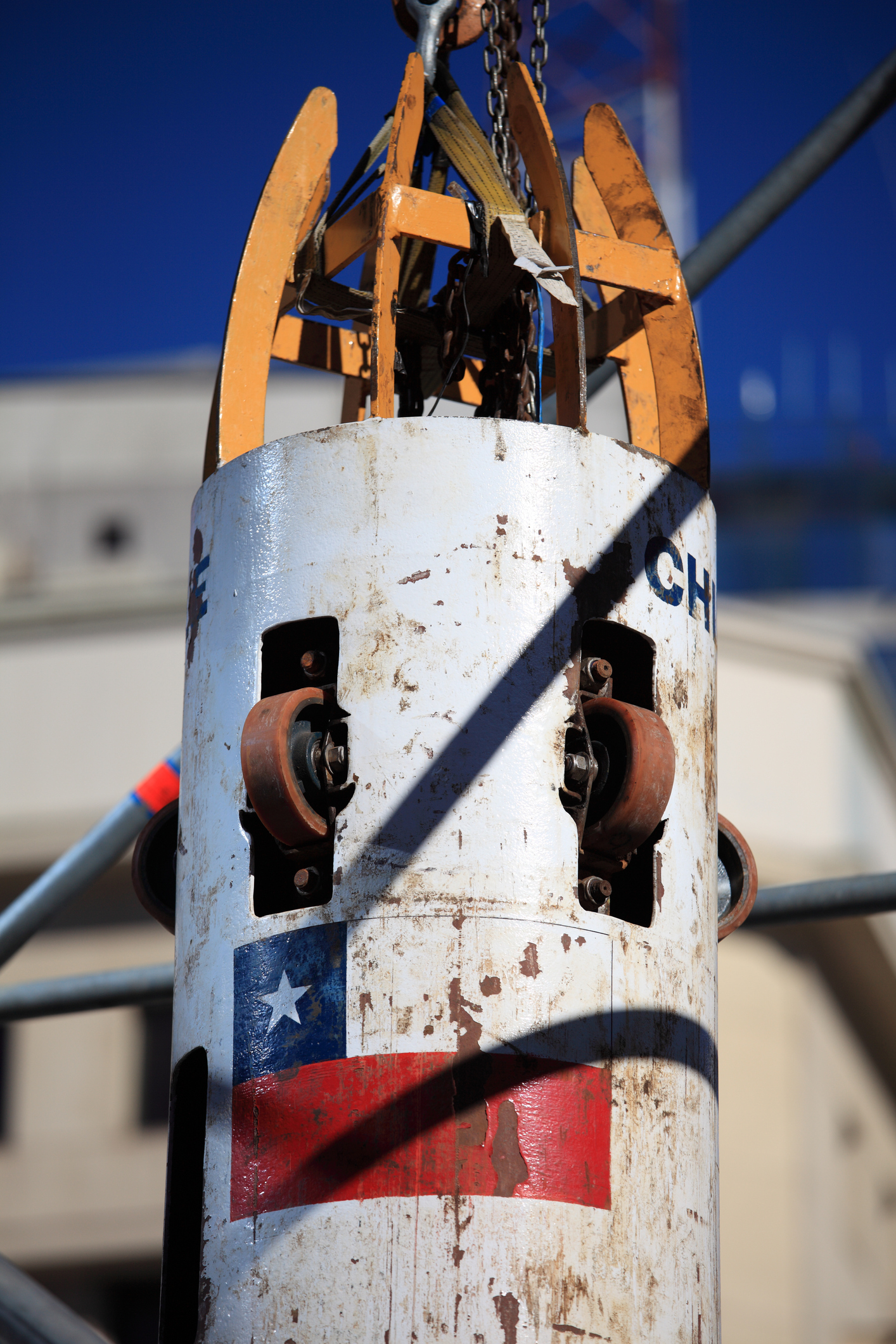


On August 5, 2010, 33 Chilean miners became trapped 2,300 feet underground when the San José copper-gold mine in the Atacama Desert caved in. Sixty-nine days later, they were rescued when a 21-inch-wide torpedo-shaped container called a Fénix capsule brought the miners safely back to the surface.
During ascent, the men were forced to stay in an upright, standing position for nearly 20 minutes because the capsule was so small. One primary concern was whether the miners would be able to maintain their blood pressure as they came up to ground level. This was critical because the miners did not have room in the narrow capsule to lie down if they fainted.
On earth, gravity constantly pulls blood from your head down to your feet when you’re upright. Activating your muscles while you’re standing helps push blood from the feet and legs back up to the heart to be recirculated to the rest of the body. If blood pools in the lower body and doesn’t effectively return to the heart, your blood pressure will gradually decrease, which reduces blood flow and oxygen delivery to the brain. These events eventually lead to a sudden and temporary loss of consciousness, what we know as fainting.
Fainting is considered a protective response for your brain because it usually causes you to lie or fall down. When you’re lying down flat or angled so that your legs are elevated above your heart, blood is able to flow easier back to your heart and brain. This gives you much-needed oxygen. Once your brain has enough oxygen again, you can regain consciousness.
In the case of the miners, a drop in blood pressure and blood flow leading to fainting could have been fatal. To prevent this complication, the rescue team consulted with NASA experts to learn how astronauts manage their blood pressure during spaceflight. Then, they put the following plan in action:
- The rescue team sent down water and food high in salt and electrolytes for the miners to consume before rescue. This increased the total amount of blood in the circulation, making it easier to maintain blood pressure.
- The miners wore pressure garments during rescue efforts that reduced the amount of blood pooling below the heart.
- The miners were instructed to sequentially squeeze the muscles in their lower body—starting at the calf and finishing at the abdominal muscles—while they were in the Fénix capsule. This enhanced blood flow back to the heart.
All of the miners maintained normal vital signs as they ascended to the surface via the Fénix capsule. The rescue was a true success!


Katrin Dias, PhD, is a postdoctoral fellow at The Institute for Exercise and Environmental Medicine at Texas Health Presbyterian Hospital Dallas and the University of Texas Southwestern Medical Center. She studies cardiovascular physiology in health and disease.