


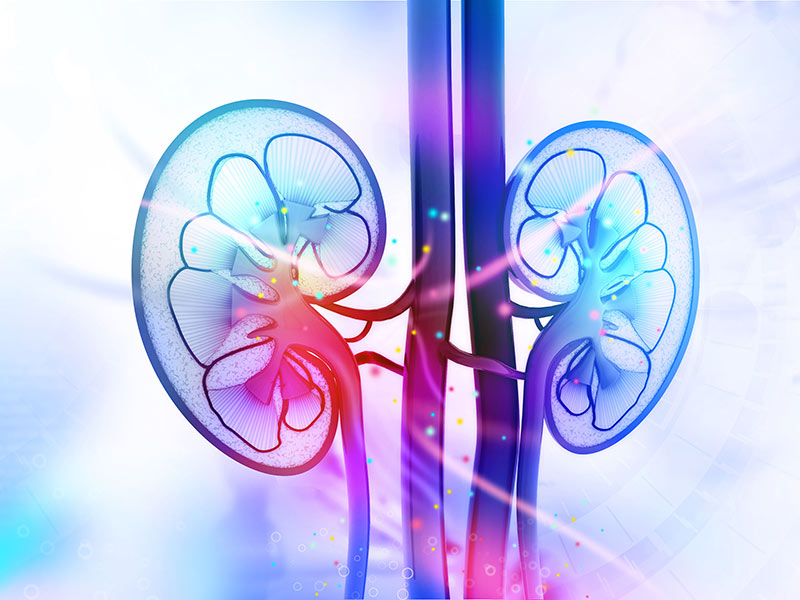

You might think that receiving a kidney transplant means kidney disease is cured. Although transplantation can restore kidney function and greatly improve quality of life, this is not always the end of the disease. For some people, kidney disease can return even after having a transplant. Most often, this happens when they have a condition called focal segmental glomerulosclerosis (FSGS). FSGS can damage the new kidney and lead to kidney failure.
People with FSGS have scarring in the kidney’s tiny filtration units (called glomeruli) which are responsible for the removal of waste and excess fluid from the blood. Damage to glomeruli causes protein to leak into the urine. This makes kidney function decline and causes high blood pressure, fatigue and swelling in the legs, ankles or face.
Over time, FSGS can lead to severe kidney damage that may require a kidney transplant. However, many people who receive kidney transplants have a recurrence of FSGS, which threatens the new organ—and surprisingly, this can happen very quickly. Diagnosing and treating recurrent FSGS early is essential to preserve kidney function of the transplanted kidney.
A transplant offers hope for a healthier future. However, learning that FSGS has returned can be devastating because there is no definitive cause or cure. Growing evidence suggests that harmful elements in the blood called circulating factors can rapidly injure the transplanted kidney, which leads to a recurrence. Identifying these circulating factors is a major focus of research, as it could lead to earlier diagnosis, more effective treatments and ultimately prevent disease recurrence.
Removing and replacing metabolites of the blood plasma is a common treatment for FSGS. This treatment, called plasmapheresis, removes the harmful elements and helps by replacing the “sick” plasma with healthy donor plasma. The frequent appointments needed for plasmapheresis may add to the emotional and physical challenges from recurrent FSGS and interfere with daily life.
Ongoing research helps scientists better understand why FSGS comes back, improves treatment options and leads to new discoveries that could help prevent it. Finding answers will transform lives, provide hope for a cure and ensure that kidneys used for transplants serve their purpose.

Parveen Adem is undergraduate student at Case Western Reserve University, studying economics with a concentration in quantitative methods. She is a 2026 summer research student in the Palygin and Semenikhina labs at the Medical University of South Carolina, where she explores why recurrent FSGS develops after kidney transplantation. Adem is interested in applying quantitative analysis to biomedical research and patient care.