



As trees change colors and shed leaves and the air cools down, many of us cannot stop dreaming of seasonal festivities.
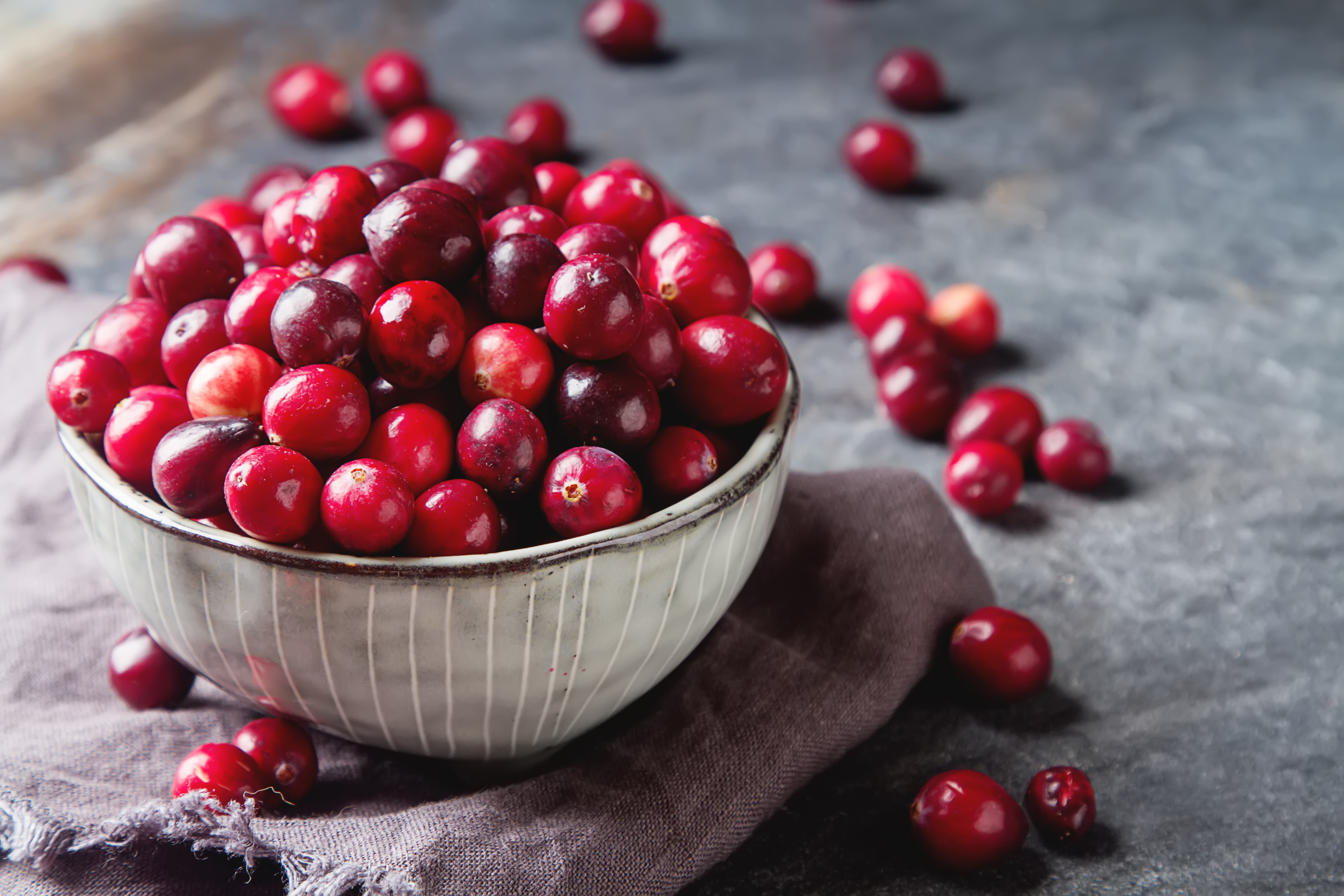
You might think there’s nothing more festive than meeting your loved ones for a Thanksgiving feast. Don’t forget to add a side of cranberries while you gobble up your turkey! Besides adding a little bit of a sweet and sour taste to your table, cranberries are also rich in nutrients, including vitamin C and antioxidants. Health benefits of cranberries have been recognized for centuries, with Native Americans and early English sailors eating them to prevent scurvy.
The Sweet
These little red berries also contain substances that reduce microbial and fungal growth. These properties can improve the health of your gums, alleviate stomach ulcers by inhibiting growth of Helicobacter pyloribacteria and treat bladder and urinary tract infections.
Heart disease and diabetes are a growing concern in U.S. It is not surprising that there are many studies on whether adding cranberries to your diet can decrease your “bad” cholesterol (LDL) and elevate “good” cholesterol (HDL). Some studies clearly state that they do. But another recent study about people with obesity revealed that drinking cranberry juice for eight weeks lowered triglyceride levels, but it did not improve HDL and LDL levels. Triglycerides are the most common type of fat found in the blood. this study reminds us that even though cranberries are a healthy food, not all studies show the same results.
The Sour
You may want to eat cranberries in moderation until you know how they affect your digestive system. Despite their numerous benefits, side effects of cranberries and cranberry juice can include diarrhea, kidney stones and an upset stomach.
Cranberries may interact with the blood-thinning drug warfarin too, which means not everyone can eat them. This medication is used to prevent heart attack or stroke. It has been shown that drinking cranberry juice or taking supplements that contain cranberry to treat urinary tract infection—while taking warfarin—can interfere with how well warfarin works. Cranberries ripen from mid-September to mid-November, making it the perfect pairing for the string of holidays lasting from Halloween through Christmas. We hope you enjoy the bittersweet flavors of cranberries this holiday season.


Valentine Bosenko is an undergraduate student at the University of Illinois-Springfield. He is majoring in computer science with a minor in mathematical sciences.


Natalya Zinkevich, PhD, is an assistant professor at the University of Illinois at Springfield. She teaches courses related to human anatomy and physiology, health and disease, and vertebrate zoology. Her research primarily focuses on the cardiovascular system. Zinkevich is a former volunteer blog editor for the I Spy Physiology blog and served as a meeting blogger for the 2024 American Physiology Summit.