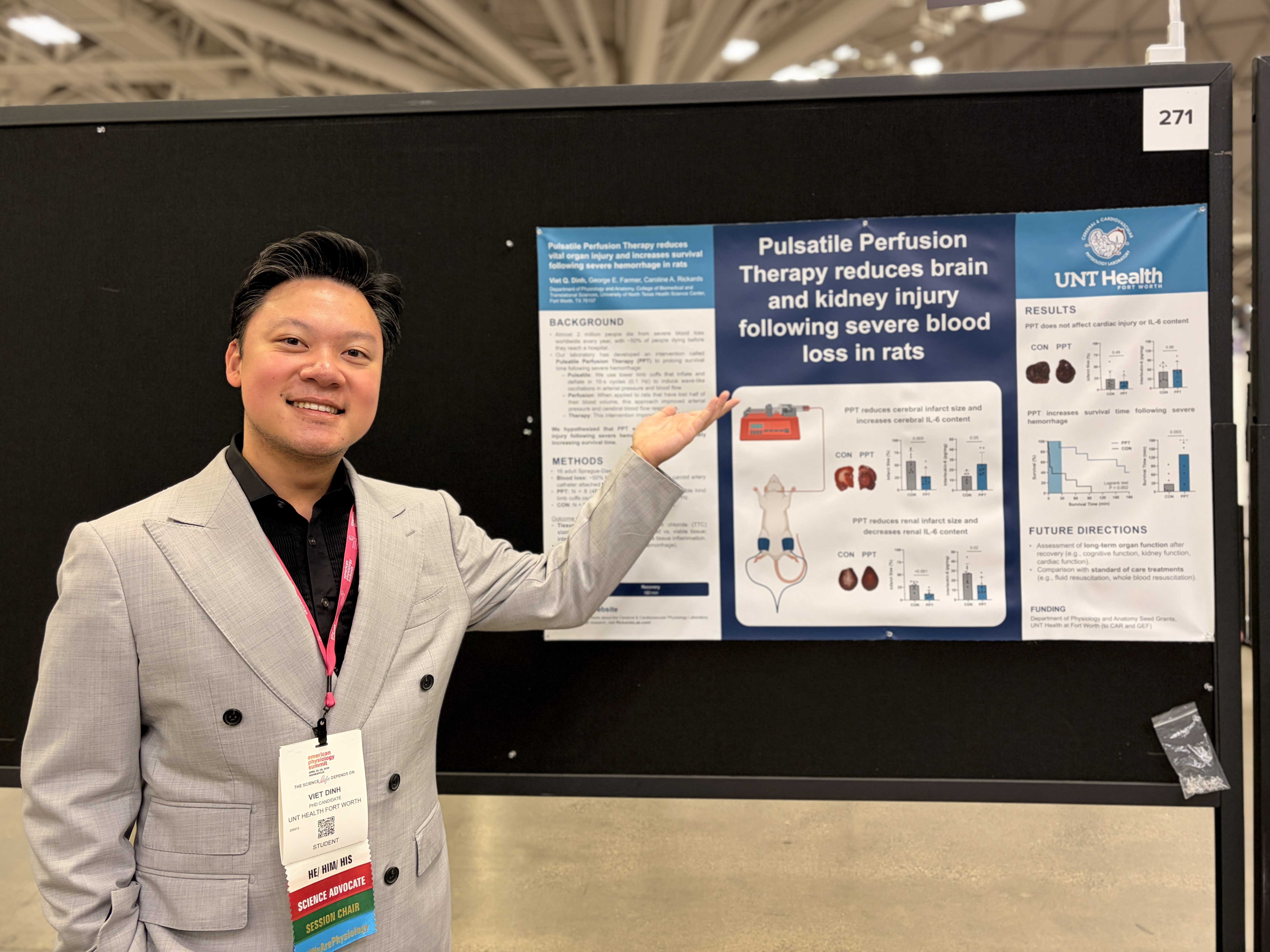
The 2026 American Physiology Summit took place in Minneapolis April 23−27, where thousands of physiology researchers, educators and students from around the world convened. I’ve had the pleasure of attending the Summit, the annual meeting of the American Physiological Society (APS), throughout all four years of my PhD training. Here, I’m sharing my time across the four days of this fourth Summit captured in (a bit more than four) photos.


The Summit officially kicked off with outgoing APS President Robert L. Hester, PhD, FAPS, who welcomed us and—alongside new APS CEO Erika Shugart, PhD, FAAAS—reminded us that physiology truly is the science that life, progress and our future depend on. We then listened to an amazing keynote lecture by Tracy Bale, PhD, FAAAS, a Minnesota native who welcomed us to her home state and presented her research in extracellular vesicles and stress physiology communication.
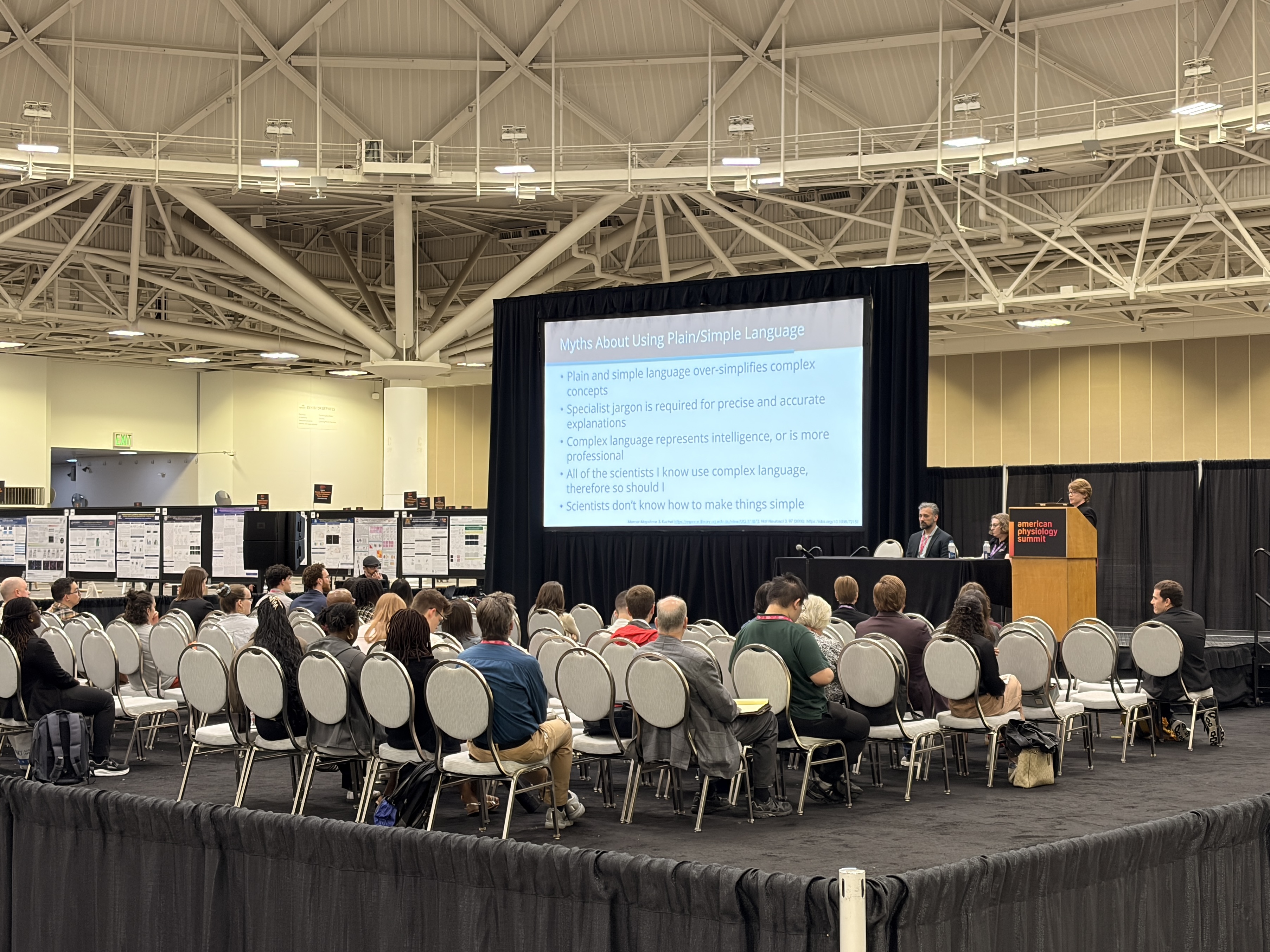
Science communication is an incredibly important skill for trainees now more than ever. On Friday, I attended the invaluable “From the Lab to the Layperson: Effective Science Communication to the General Audience” session, where Steven Elmer, , Andrew Petzold, Caroline Rickards, PhD, along with APS Communications Manager Erica Roth, spoke on how to effectively communicate your science. Pictured above, Rickards—who had been awarded APS’ Presidential Medal for Outstanding Service in the opening ceremony the night before—talks about common myths scientists believe about using simple language. She argues that plain language is very necessary for conveying your message.


Of course, a central part of the Summit was the two research poster sessions on Friday and Saturday evenings. As a trainee, it’s always great to present your hard work on a national level, especially when you’re lucky enough to meet and speak with experts in the field whose work you’ve read and cited more times than you can count. Many attendees particularly loved that APS expanded the time of each poster session to two-and-a-half hours from the 1 hour and 45 minutes of past Summits, allowing even more time for the conversations and connections that really make this conference meaningful!

One of my favorite sessions at the Summit this year was one recognizing the outstanding work of the next generation of physiologists. Bright and early at 6:30 a.m. on Saturday, undergraduate students presented their work at the David Bruce Undergraduate Poster Session. The room was packed with graduate trainees and faculty members. This was the first Summit in which my lab had undergraduate students able to attend, and I got a fun taste of the mentor experience by sending my colleagues over to visit my students’ posters.
Several students received the Barbara A. Horwitz and John M. Horowitz Outstanding Undergraduate Abstract Awards, and a select few of the highest-ranking recipients were additionally recognized with the Excellence in Undergraduate Research Award. I was really impressed by the caliber of research presented at this session, and I think the future of science is bright in their hands.
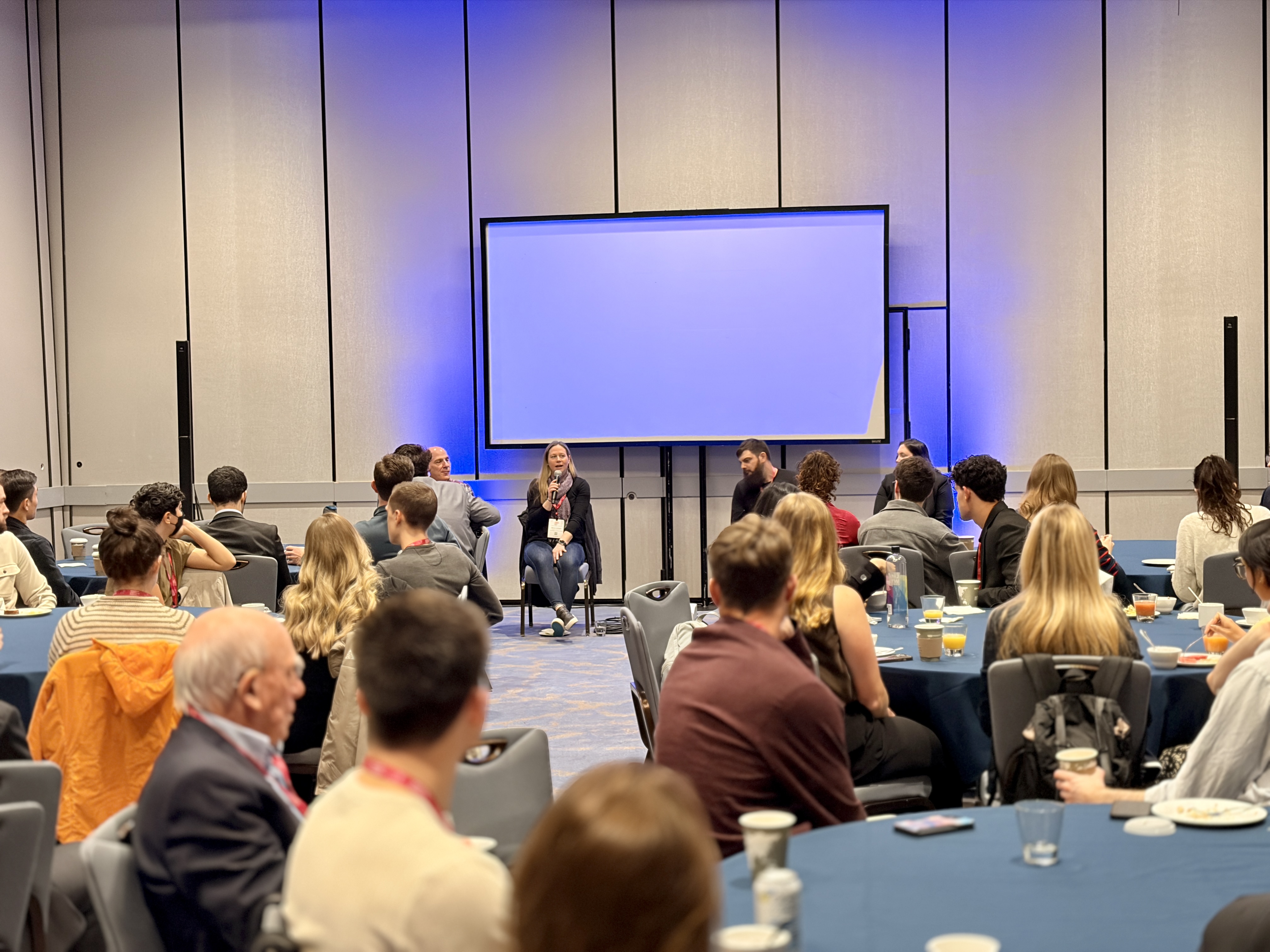
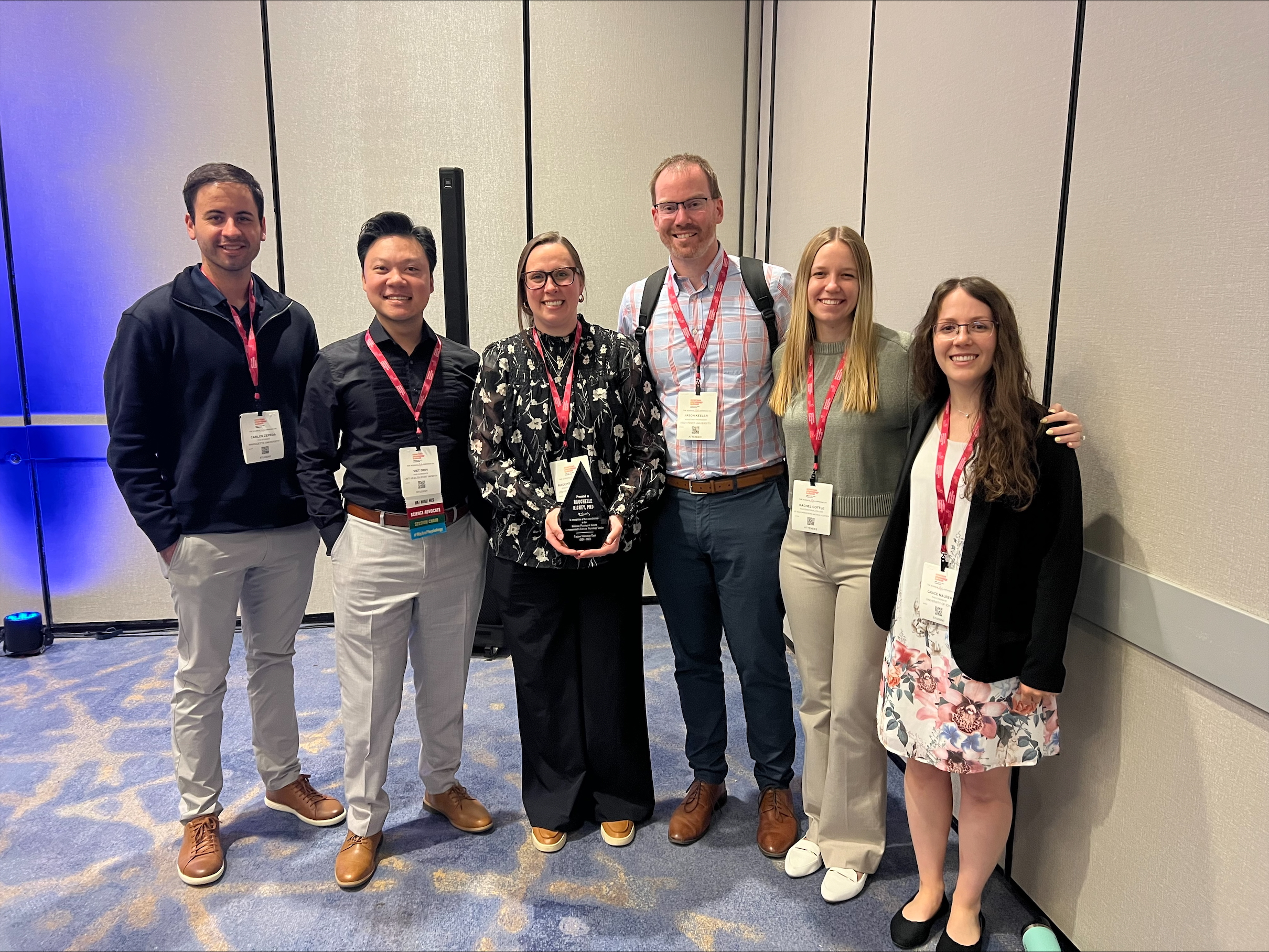
On Saturday morning, the Environmental & Exercise Physiology (EEP) Section Trainee Committee hosted the section’s trainee workshop and breakfast session “Effective Styles and Early-career Strategies for Successful Mentoring.” Mentorship is such an essential component of graduate school, and an incredible panel highlighted its importance and discussed strategies for mentoring: Craig Crandall, PhD, FAPS, Megan Wenner, PhD, Hayden Hess, PhD, and Katie Wilkinson, PhD.


I’d be lying if I said an essential part of the Summit experience wasn’t trying out the local cuisine and talking about physiology and the conference over delicious food. On Saturday night, many of us celebrated the final research poster session by eating at an amazing Turkish restaurant nearby called Lumi Restaurant. I had the Lumi Special which was truly to die for (shout-out to Mikhail Kellawan, PhD, for the recommendation!). This year was the very first Summit for some of our group, so we had a great time talking about all that we’ve seen and our favorite experiences over the past few days.
The FASEBettes: Kim Barrett, PhD, Margaret Reich; Gail Hecht, MD; Linda Samuelson, PhD.
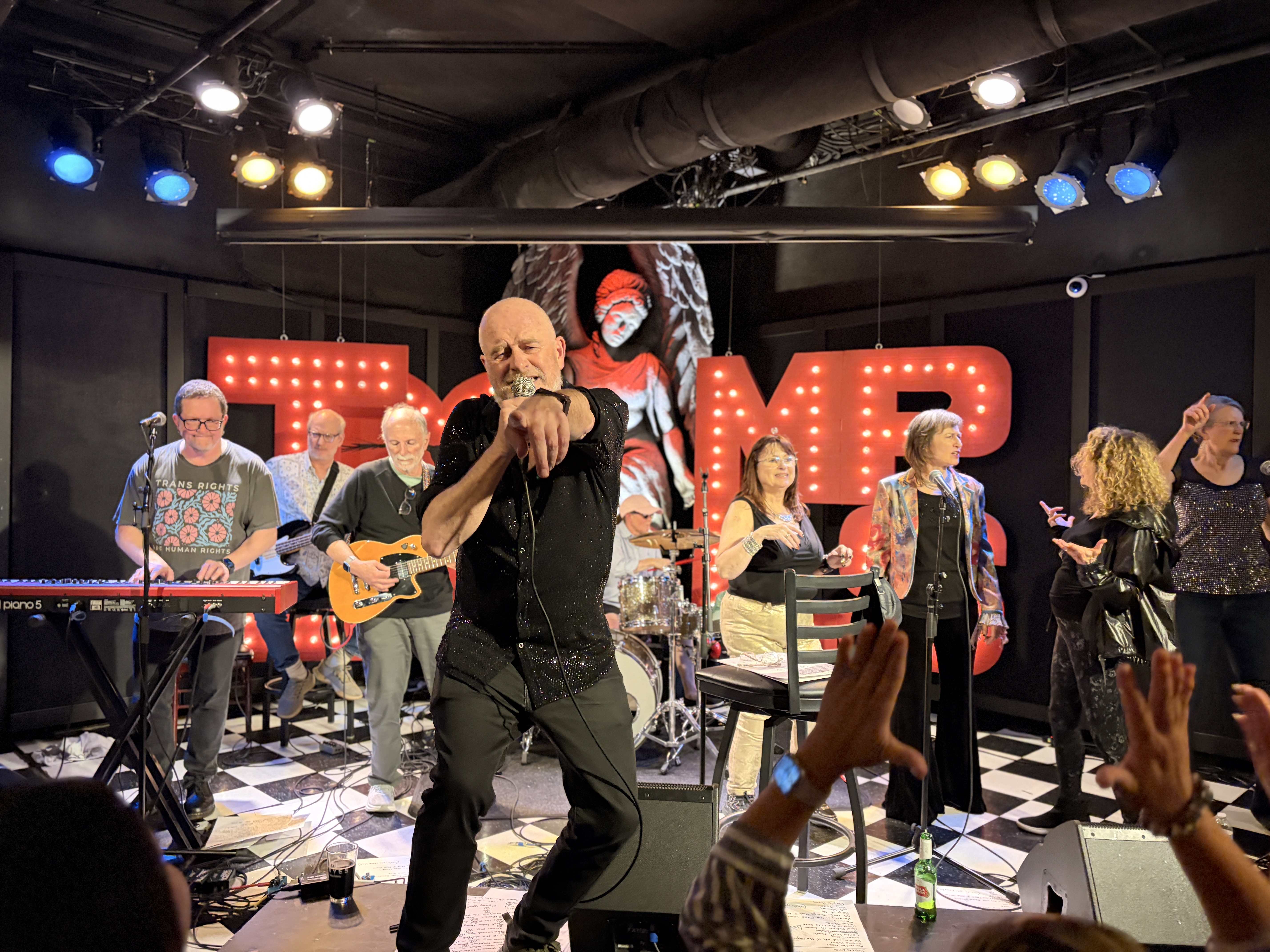
After dinner, we went on an unexpected adventure! Earlier in the day, I had been catching up with Cormac Taylor, PhD, who invited me to watch him and his band perform that night at Hell’s Kitchen. Little did I know his band was none other than the famous GI Distress, performing for the Gastrointestinal & Liver Physiology Section banquet with original music as well as songs from The Doors, The Beatles and—of course—Minneapolis’s own Prince (and many more).
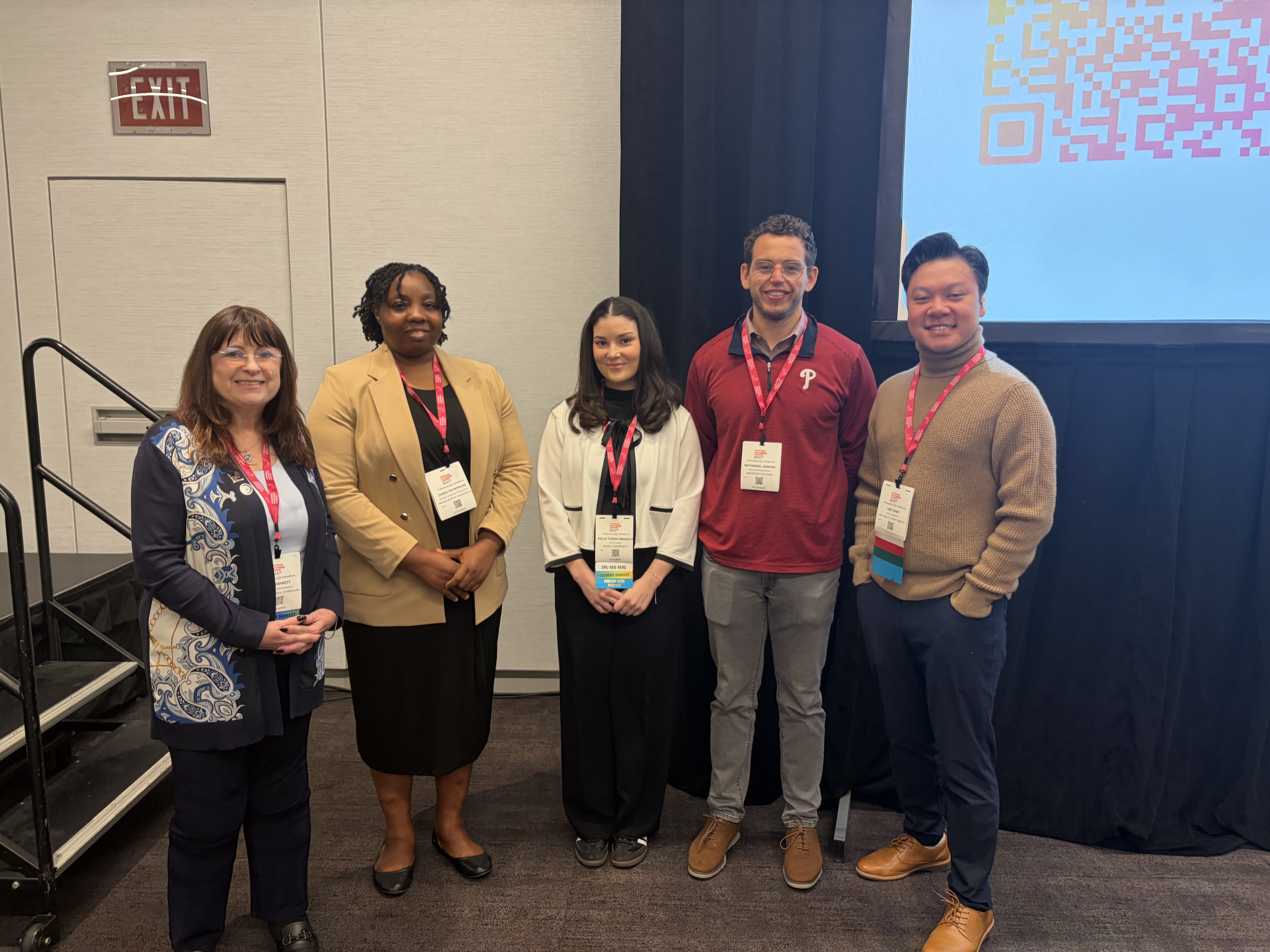
On the final day of the Summit, I had the privilege of co-chairing the “Advancing Health Equity: Physiological Insights into Marginalized Populations” session alongside Kim Barrett, which was organized by the Community Engagement and Women in Physiology committees.
Carolyn Ekpruke, PhD, presented her work on biological sex as a driver of lung health disparities. Keila Turino Miranda, MSc, discussed how her laboratory is developing a holistic framework for the equitable inclusion of transgender and nonbinary people in physiology research. Nathaniel Jenkins, PhD, presented his research on physiological and biobehavioral pathways by which adverse childhood experiences promote the early development of cardiometabolic diseases.
Despite the 8 a.m. session time on the last day of the Summit, I was very grateful to see that it was very well attended by an enthused and engaged audience, which speaks to how important this topic is for physiologists. It’s a promising sign that APS and its members are highlighting important work regarding research on marginalized populations.
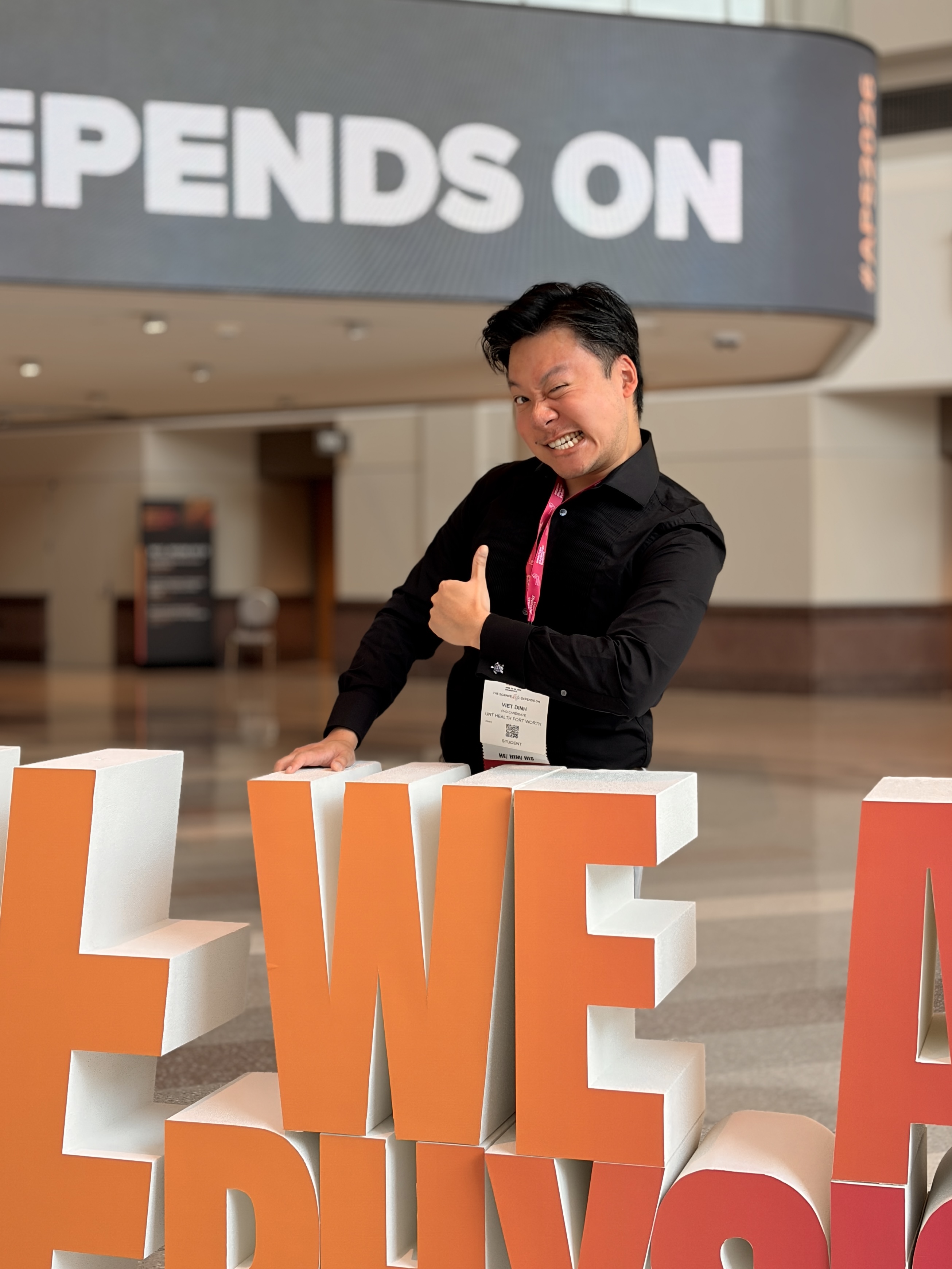
That’s all, folks! See you all at next year’s Summit in Denver!
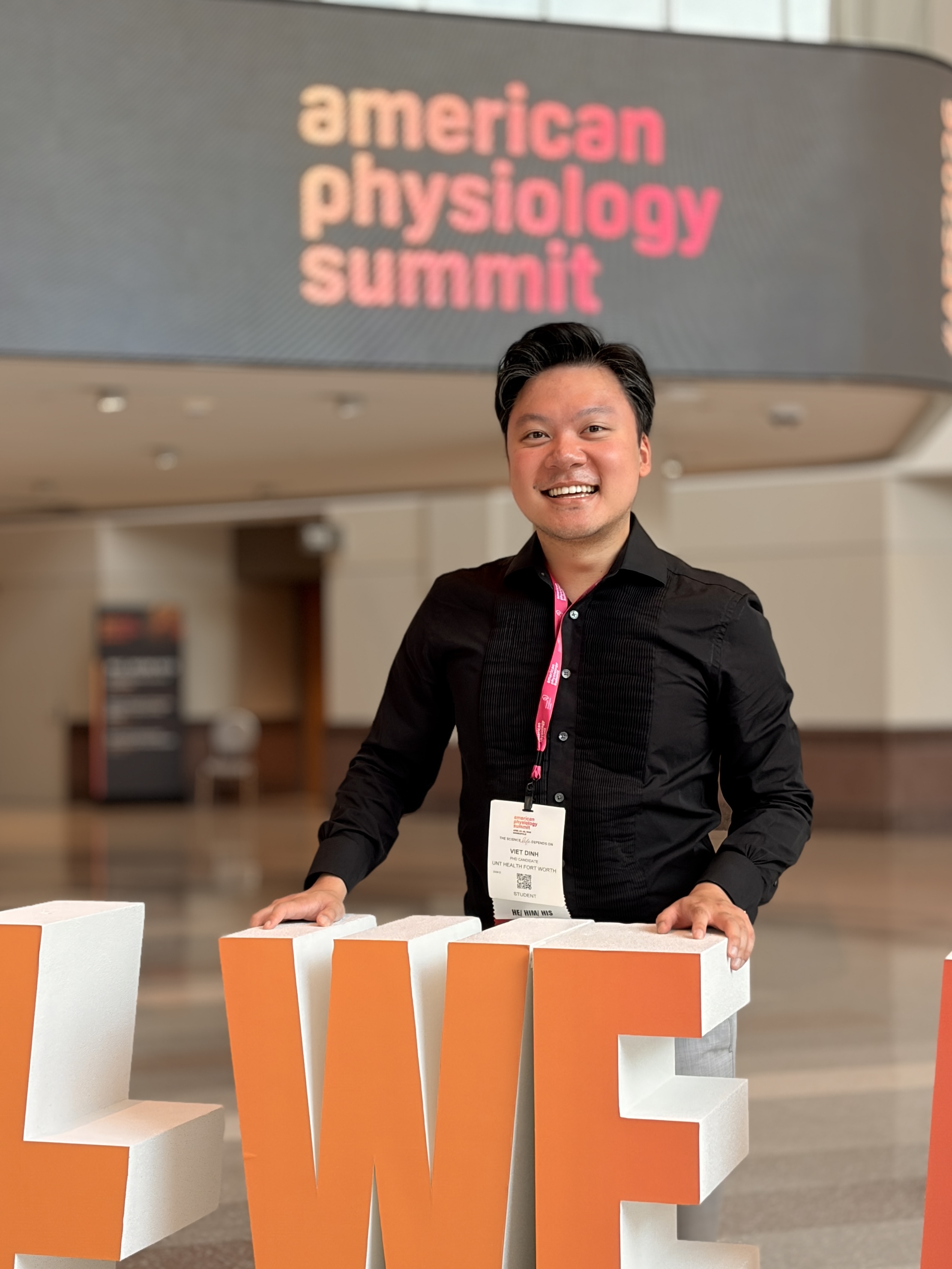
Viet Dinh, PhD, recently received his doctorate from the College of Biomedical and Translational Sciences at the University of North Texas Health Science Center at Fort Worth. His research focused on the development of a novel therapeutic intervention to improve outcomes from severe hemorrhage. Dinh will soon join the Rockefeller Institute of Government as a New York State Science Policy Fellow. He served as a meeting blogger for the 2026 American Physiology Summit.
Discover more from I Spy Physiology Blog
Subscribe to get the latest posts sent to your email.